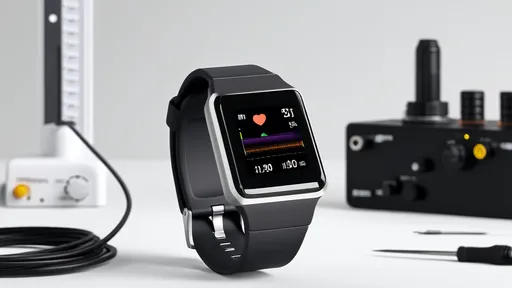
The rapid proliferation of wearable devices has revolutionized how individuals monitor their health and fitness. From smartwatches tracking heart rates to fitness bands counting steps, these gadgets promise to deliver accurate and actionable data. However, as their usage expands into clinical research and medical applications, the question of data reliability becomes increasingly critical. How can we trust the numbers these devices generate? The answer lies in rigorous validation processes that ensure the accuracy and consistency of the data they produce.
The Importance of Data Reliability in Wearables
Wearable devices are no longer just trendy accessories; they have become essential tools for health monitoring. Physicians recommend them to patients for chronic disease management, researchers rely on them for large-scale studies, and consumers use them to make daily lifestyle choices. But if the data from these devices is flawed, the consequences can be significant. Inaccurate heart rate readings might lead to unnecessary medical interventions, while incorrect sleep tracking could misguide users into poor sleep hygiene practices. Ensuring the reliability of wearable data is not just a technical challenge—it’s a matter of public health.
One of the primary hurdles in validating wearable data is the lack of standardized testing protocols. Unlike medical-grade devices, which undergo strict regulatory scrutiny, consumer wearables often operate in a gray area. Manufacturers may conduct internal tests, but these are rarely peer-reviewed or independently verified. This gap highlights the need for third-party validation studies that compare wearable data against gold-standard measurements, such as electrocardiograms for heart rate or polysomnography for sleep analysis.
Challenges in Validating Wearable Data
Validating wearable data is far from straightforward. These devices operate in uncontrolled environments, where factors like skin tone, motion artifacts, and device placement can introduce variability. For instance, optical heart rate sensors may struggle with accuracy on darker skin tones due to differences in light absorption. Similarly, step counts can be inflated by arm movements unrelated to walking. These challenges necessitate comprehensive testing across diverse populations and real-world conditions to ensure the devices perform reliably for everyone.
Another layer of complexity arises from the algorithms that process raw sensor data. Wearables don’t directly measure metrics like calories burned or sleep stages; they infer them using proprietary algorithms. These algorithms are often black boxes, making it difficult for researchers to assess their validity. Without transparency, it’s impossible to know whether a device’s calorie expenditure estimate is based on sound science or oversimplified assumptions. This lack of algorithmic transparency underscores the importance of open collaboration between manufacturers and the scientific community.
Current Efforts in Wearable Data Validation
Despite these challenges, progress is being made. Academic institutions and independent organizations have begun conducting validation studies to assess the accuracy of popular wearables. For example, recent studies have evaluated the heart rate and step-count accuracy of devices from brands like Apple, Fitbit, and Garmin. The results are mixed—some devices perform admirably under specific conditions, while others fall short. These studies provide valuable insights but also reveal the need for more extensive and standardized testing frameworks.
Regulatory bodies are also stepping in. The U.S. Food and Drug Administration (FDA) has started clearing certain wearable devices for medical use, such as the Apple Watch’s ECG feature. This regulatory approval process involves rigorous validation, offering a level of assurance that consumer-grade devices typically lack. However, the majority of wearables still operate outside these stringent requirements, leaving a vast landscape of unvalidated data. Bridging this gap will require collaboration between regulators, manufacturers, and researchers to establish clearer standards for wearable data reliability.
The Future of Wearable Data Trustworthiness
As wearables continue to evolve, so too must the methods for validating their data. Emerging technologies like artificial intelligence and machine learning could play a pivotal role in improving accuracy. For instance, AI algorithms could dynamically adjust for factors like skin tone or motion, reducing variability in measurements. Additionally, blockchain technology might offer solutions for secure and transparent data sharing, enabling independent verification without compromising user privacy.
The ultimate goal is to create a ecosystem where wearable data is not only reliable but also interoperable across platforms. Imagine a future where your smartwatch data seamlessly integrates with your electronic health record, providing your doctor with a comprehensive view of your health. Achieving this vision will require overcoming technical, regulatory, and ethical hurdles—but the potential benefits for personalized medicine and preventive healthcare are immense.
For now, users should approach wearable data with a critical eye. While these devices offer valuable insights, they are not infallible. Cross-referencing data with other sources, understanding the limitations of your device, and consulting healthcare professionals when in doubt are prudent steps. As the industry matures, the hope is that wearable data will become a trusted pillar of modern healthcare, empowering individuals and professionals alike with accurate, actionable information.

By /Jul 14, 2025

By /Jul 14, 2025

By /Jul 14, 2025
By /Jul 14, 2025

By /Jul 14, 2025

By /Jul 21, 2025

By /Jul 14, 2025

By /Jul 14, 2025

By /Jul 14, 2025

By /Jul 14, 2025

By /Jul 14, 2025
By /Jul 14, 2025

By /Jul 14, 2025

By /Jul 14, 2025

By /Jul 14, 2025

By /Jul 21, 2025

By /Jul 14, 2025

By /Jul 21, 2025

By /Jul 14, 2025

By /Jul 14, 2025