For vegetarians and vegans, ensuring adequate protein intake can sometimes be a challenge, particularly when it comes to obtaining all essential amino acids. Unlike animal-based proteins, which are complete proteins containing all nine essential amino acids, most plant-based proteins are incomplete. However, by combining different plant-based foods, vegetarians can create complete protein profiles that meet their nutritional needs.
The concept of protein combining has been widely discussed in nutritional science. While early theories suggested that vegetarians needed to carefully pair complementary proteins at every meal, modern research indicates that consuming a variety of plant-based proteins throughout the day is sufficient. This flexibility makes it easier for vegetarians to meet their protein requirements without meticulous meal planning.
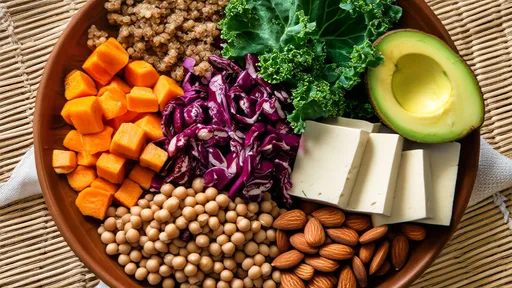
Legumes and grains form one of the most well-known complete protein combinations. Foods like beans, lentils, and chickpeas are rich in lysine but low in methionine, while grains such as rice, wheat, and quinoa provide methionine but lack sufficient lysine. When eaten together—such as in dishes like rice and beans or hummus with whole-grain pita—they create a balanced amino acid profile comparable to animal proteins.
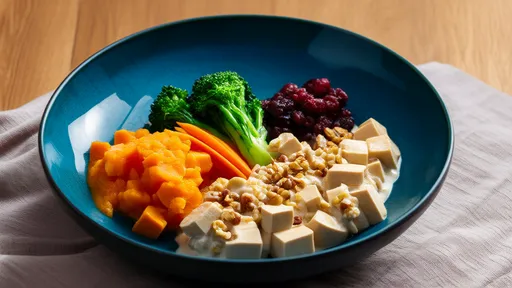
Soy products stand out as one of the few plant-based complete proteins on their own. Tofu, tempeh, and edamame contain all essential amino acids, making them a staple in many vegetarian diets. Fermented soy products like tempeh also offer additional digestive benefits due to their probiotic content. For those who include soy in their diet, it serves as a convenient and versatile protein source.
Nuts and seeds also play a crucial role in vegetarian protein intake. While individually they may not provide all essential amino acids, pairing them with legumes or whole grains can enhance their protein quality. For example, peanut butter on whole-grain bread or chia seeds mixed into a lentil salad can contribute to a more complete amino acid profile. Additionally, seeds like hemp and quinoa are nearly complete proteins, offering a strong foundation for plant-based nutrition.
Another effective strategy is incorporating dairy and eggs for lacto-ovo vegetarians. These animal-derived products naturally contain complete proteins and can easily supplement a plant-based diet. Greek yogurt, cottage cheese, and eggs are particularly protein-dense options that can help vegetarians meet their daily requirements without relying solely on plant combinations.
For vegans, nutritional yeast is a popular choice due to its cheesy flavor and high protein content. When combined with whole grains or legumes, it can further enhance protein completeness. Spirulina, a blue-green algae, is another vegan-friendly option that provides a surprisingly high amount of protein, though it should be consumed in moderation due to its strong taste and potential heavy metal content.
Ultimately, the key for vegetarians and vegans is dietary variety. By including a wide range of protein-rich plant foods—such as beans, lentils, quinoa, nuts, seeds, and soy—individuals can naturally achieve a balanced intake of essential amino acids. With thoughtful food choices, a plant-based diet can be just as nutritionally adequate as one that includes animal proteins.

By /Jul 14, 2025
By /Jul 14, 2025

By /Jul 14, 2025

By /Jul 14, 2025

By /Jul 14, 2025

By /Jul 21, 2025

By /Jul 14, 2025

By /Jul 14, 2025
By /Jul 14, 2025

By /Jul 14, 2025

By /Jul 14, 2025

By /Jul 14, 2025

By /Jul 14, 2025

By /Jul 14, 2025

By /Jul 14, 2025
By /Jul 21, 2025

By /Jul 14, 2025
By /Jul 21, 2025

By /Jul 14, 2025

By /Jul 14, 2025
