The journey to full recovery after surgery is often a delicate process that requires careful attention to multiple factors, with nutrition playing a pivotal role. The body undergoes significant stress during surgical procedures, and the healing process demands an increased supply of essential nutrients. Without proper nutritional support, patients may experience delayed wound healing, weakened immunity, and prolonged recovery times. Understanding the relationship between diet and postoperative healing can make a substantial difference in a patient’s rehabilitation.
The Importance of Macronutrients in Recovery
Proteins, carbohydrates, and fats serve as the foundation of postoperative nutrition. Proteins, in particular, are crucial for tissue repair and immune function. After surgery, the body enters a catabolic state, breaking down muscle tissue to meet its energy demands. Adequate protein intake helps counteract this process, promoting wound healing and preventing muscle loss. High-quality protein sources such as lean meats, fish, eggs, and dairy should be prioritized in the diet.
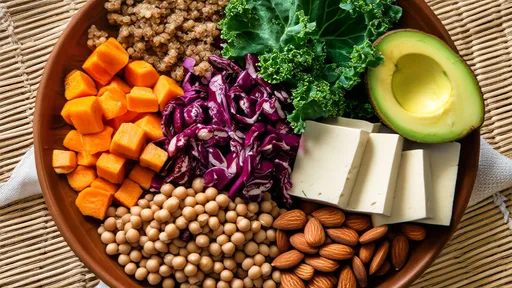
Carbohydrates provide the energy needed for cellular repair and daily activities. Complex carbohydrates, such as whole grains, fruits, and vegetables, are preferable as they release energy gradually and help maintain stable blood sugar levels. Fats, especially omega-3 fatty acids found in fish, nuts, and seeds, play an anti-inflammatory role, which is beneficial in reducing postoperative swelling and pain.
Micronutrients That Accelerate Healing
Vitamins and minerals are equally vital in the recovery process. Vitamin C is essential for collagen synthesis, a key component in wound healing. Citrus fruits, berries, and leafy greens are excellent sources. Zinc supports immune function and tissue repair, with foods like oysters, beans, and nuts being rich in this mineral. Vitamin A promotes skin regeneration and can be found in carrots, sweet potatoes, and spinach.
Iron is another critical nutrient, especially for patients who have experienced significant blood loss during surgery. Iron-rich foods such as red meat, lentils, and fortified cereals help restore hemoglobin levels. Meanwhile, B vitamins aid in energy metabolism and nerve function, which can be particularly beneficial for patients recovering from major procedures.
Hydration and Its Role in Recovery
Water is often overlooked but is fundamental to postoperative care. Dehydration can slow down the healing process, impair circulation, and lead to complications such as constipation, especially in patients taking pain medications. Adequate fluid intake helps maintain electrolyte balance, supports kidney function, and ensures that nutrients are efficiently transported to cells.
In addition to water, broths and herbal teas can be soothing and hydrating options. Electrolyte solutions may be necessary for patients experiencing vomiting or diarrhea post-surgery. Monitoring urine color is a simple yet effective way to assess hydration status—pale yellow indicates proper hydration, while dark urine suggests the need for increased fluid intake.
Addressing Postoperative Appetite Challenges
Many patients struggle with reduced appetite after surgery due to factors like pain, nausea, or the side effects of anesthesia. Small, frequent meals can be more manageable than large portions. Nutrient-dense foods such as smoothies, yogurt, and nut butters provide calories and essential nutrients without overwhelming the digestive system.
For those with difficulty swallowing or chewing, soft or pureed foods may be necessary. In cases where oral intake is insufficient, medical professionals might recommend oral nutritional supplements or, in severe cases, enteral or parenteral nutrition to ensure the patient receives adequate nourishment.
Tailoring Nutrition to Specific Surgical Procedures
Different surgeries demand varying nutritional approaches. For instance, patients recovering from gastrointestinal surgeries may need a low-fiber diet initially to avoid straining the digestive tract. Over time, fiber can be gradually reintroduced to support gut health. On the other hand, orthopedic surgery patients might benefit from increased calcium and vitamin D intake to strengthen bones.
Cardiac surgery patients often require a heart-healthy diet low in sodium and saturated fats to support cardiovascular recovery. A registered dietitian can provide personalized guidance based on the type of surgery, the patient’s medical history, and individual nutritional needs.
The Psychological Aspect of Postoperative Nutrition
Recovery is not solely a physical process—it has a significant emotional component. Patients may feel frustrated or discouraged if progress is slow. A well-balanced diet can improve mood and energy levels, contributing to a more positive outlook. Foods rich in tryptophan, such as turkey and bananas, can aid in serotonin production, promoting feelings of well-being.
Family and caregivers play a crucial role in encouraging proper nutrition. Preparing appealing, flavorful meals can stimulate appetite, and shared mealtimes can provide emotional support. Involving patients in meal planning, when possible, empowers them and fosters a sense of control during recovery.
Long-Term Nutritional Habits for Sustained Health
Postoperative nutrition should not be viewed as a short-term intervention but as a stepping stone to long-term health. Adopting a balanced diet rich in whole foods can prevent future complications and enhance overall well-being. Patients should be encouraged to continue healthy eating habits even after full recovery, as proper nutrition reduces the risk of chronic diseases and supports longevity.
Regular follow-ups with healthcare providers can help monitor nutritional status and make adjustments as needed. Education on reading food labels, portion control, and mindful eating can further empower patients to make informed dietary choices beyond their recovery period.
In conclusion, postoperative nutritional support is a multifaceted approach that requires attention to macronutrients, micronutrients, hydration, and individual patient needs. By prioritizing proper nutrition, patients can optimize their recovery, regain strength, and improve their quality of life. Collaboration between healthcare providers, dietitians, and caregivers ensures that each patient receives the tailored support necessary for a successful rehabilitation journey.

By /Jul 14, 2025

By /Jul 14, 2025

By /Jul 14, 2025

By /Jul 14, 2025

By /Jul 14, 2025

By /Jul 21, 2025

By /Jul 14, 2025

By /Jul 14, 2025
By /Jul 14, 2025

By /Jul 14, 2025

By /Jul 14, 2025
By /Jul 14, 2025

By /Jul 14, 2025

By /Jul 14, 2025

By /Jul 14, 2025
By /Jul 21, 2025

By /Jul 14, 2025

By /Jul 21, 2025

By /Jul 14, 2025

By /Jul 14, 2025
