Vision development in children is a complex and fascinating process that unfolds over several years. Unlike adults, children's visual systems are not fully mature at birth, and they undergo significant changes during early childhood. Understanding the key milestones in this developmental journey can help parents and caregivers ensure their child's eyesight is on track. From the first blurry weeks of life to the sharp clarity of school-age vision, each stage plays a crucial role in how children perceive and interact with the world around them.
During the first few months of life, infants begin to develop the basic building blocks of vision. Newborns typically have limited visual acuity, seeing the world in blurry shades of gray. However, by around two to three months, most babies start to focus on faces and track moving objects with their eyes. This period marks the beginning of eye coordination and depth perception. Pediatricians often check for these early signs during routine well-baby visits, as they serve as important indicators of normal visual development.
As infants grow into toddlers, their visual capabilities expand dramatically. Between six months and one year, children develop better color vision, depth perception, and hand-eye coordination. This is when many babies begin to reach for objects accurately and show interest in picture books. The American Optometric Association recommends the first comprehensive eye exam between six and twelve months of age, especially for children with risk factors like premature birth or family history of eye problems.
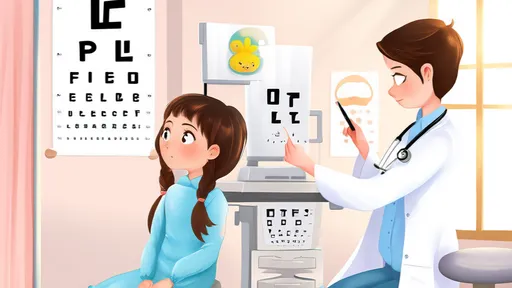
The preschool years bring further refinement to a child's visual system. Between ages three and five, children should be developing the visual skills necessary for reading and learning. This includes the ability to focus on near objects (like books) and quickly shift focus to distant objects (like a classroom board). Many preschool vision screenings occur during this period, but experts emphasize that these should not replace comprehensive eye exams, as screenings may miss subtle but important vision problems.
School-age children face increasing visual demands as they begin reading, writing, and using digital devices. Between ages six and twelve, regular eye exams become particularly important to detect refractive errors like nearsightedness, which often develops during these years. Teachers and parents should watch for signs of vision problems, such as squinting, frequent eye rubbing, or difficulty concentrating on close work. Undetected vision issues can sometimes be mistaken for learning difficulties, highlighting the importance of proper eye care during this critical period.
Adolescence brings its own set of visual development considerations. While major vision milestones are typically achieved by this stage, the teenage years can see progression of myopia or other refractive errors. Additionally, with increased screen time and academic demands, issues like digital eye strain become more prevalent. Annual eye exams remain important during these years to monitor vision changes and address any emerging concerns before they affect a teenager's academic performance or quality of life.
Several factors can influence a child's visual development, including genetics, environment, and overall health. Conditions like amblyopia (lazy eye) or strabismus (crossed eyes) require early intervention for best outcomes. Similarly, protective measures like UV-blocking sunglasses and proper lighting for reading can help safeguard developing eyes. Nutrition also plays a role, with foods rich in vitamin A, lutein, and omega-3 fatty acids supporting healthy vision development.
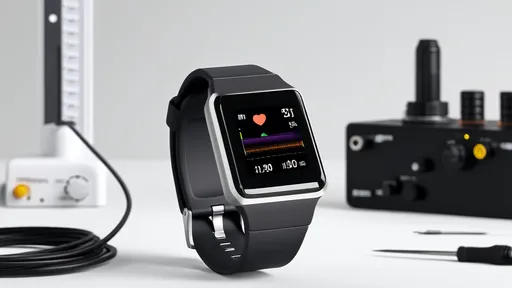
Modern technology has introduced both challenges and solutions in pediatric vision care. While excessive screen time may contribute to eye strain and myopia progression, digital tools now enable earlier detection of vision problems. Innovative screening devices can assess eye health in nonverbal children, and telemedicine options are making eye care more accessible in underserved areas. However, experts agree that nothing replaces in-person, comprehensive eye exams by qualified professionals at key developmental stages.
Understanding the timeline of visual development empowers parents to advocate for their child's eye health. While most children follow typical patterns of vision maturation, each child develops at their own pace. Regular communication with pediatricians and eye care professionals ensures that any deviations from normal development are caught early. With proper attention and care, parents can help their children build a strong visual foundation that will serve them throughout their lives.

By /Jul 14, 2025

By /Jul 14, 2025

By /Jul 14, 2025
By /Jul 14, 2025

By /Jul 14, 2025

By /Jul 21, 2025
By /Jul 14, 2025

By /Jul 14, 2025

By /Jul 14, 2025

By /Jul 14, 2025

By /Jul 14, 2025

By /Jul 14, 2025

By /Jul 14, 2025

By /Jul 14, 2025

By /Jul 14, 2025

By /Jul 21, 2025

By /Jul 14, 2025

By /Jul 21, 2025

By /Jul 14, 2025

By /Jul 14, 2025
