The adolescent years mark a critical period for skeletal development, where bones undergo rapid growth and mineralization. During this phase, physical activity plays a pivotal role in shaping bone density, strength, and overall structural integrity. However, not all exercises are created equal when it comes to optimizing bone health in teenagers. A well-designed exercise prescription must consider the unique physiological needs of growing bodies while minimizing injury risks.
Understanding the science behind bone adaptation is essential for crafting effective movement strategies. Bones respond to mechanical loading through a process called remodeling, where osteoblasts and osteoclasts work in tandem to reshape bone tissue. Weight-bearing activities that generate ground reaction forces – such as jumping or running – create the necessary stimulus for bone formation. Research indicates that the adolescent skeleton exhibits particular sensitivity to these mechanical signals, making this window of development crucial for lifelong bone health.
Swimming and cycling, while excellent for cardiovascular fitness, fall short in promoting bone density because they lack impact forces. Contrast this with basketball or volleyball, where the combination of jumping and rapid direction changes provides dynamic loading patterns that stimulate bone growth. The key lies in selecting activities that subject bones to varied vectors of force, prompting them to adapt by becoming denser and more resilient.
Nutrition forms the silent partner to any bone-focused exercise regimen. No amount of physical activity can compensate for deficiencies in calcium, vitamin D, or other bone-building nutrients. Teen athletes often underestimate their caloric and micronutrient needs during growth spurts, inadvertently compromising their skeletal development. A synergistic approach that combines targeted movement with proper nourishment creates the ideal environment for robust bone formation.
The timing and progression of exercise intensity require careful consideration. While adolescents benefit from challenging their bones, excessive loading or improper technique can lead to growth plate injuries. These delicate areas of developing cartilage near bone ends are vulnerable to repetitive stress. Coaches and parents should watch for signs of overuse, such as persistent joint pain or decreased performance, which may indicate the need for program modification.
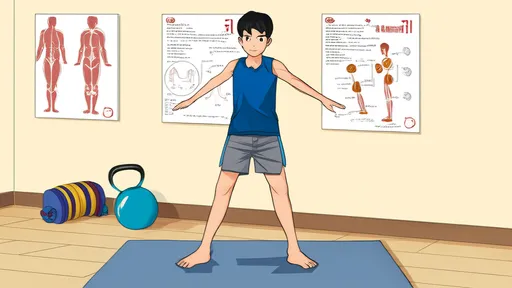
Emerging research highlights the importance of multidirectional movements in bone development. Traditional weight training often emphasizes linear, controlled motions, but bones respond more favorably to unpredictable loading patterns. Incorporating agility drills, lateral movements, and plyometrics into training programs better mimics the diverse mechanical stresses bones encounter in real-life activities and sports.
Sleep, often overlooked in exercise prescriptions, plays a fundamental role in bone metabolism. Growth hormone pulses predominantly occur during deep sleep stages, facilitating bone growth and repair. Teenagers engaged in rigorous training programs must prioritize sleep hygiene to maximize the benefits of their physical efforts. Chronic sleep deprivation can undermine even the most carefully designed bone-strengthening protocols.
The social dimension of exercise shouldn't be discounted when working with adolescents. Team sports and group activities not only provide the necessary mechanical loading but also enhance adherence through peer interaction and social motivation. The psychological benefits of communal movement experiences may indirectly support bone health by reducing stress hormones that can interfere with bone formation.
Technology has introduced both challenges and opportunities for bone health. While sedentary screen time competes with physical activity, wearable devices and motion-tracking apps can motivate teenagers to meet daily activity targets. Creative integration of technology, such as exergaming systems that incorporate jumping and dancing, offers novel ways to engage digital-native youth in bone-strengthening activities.
Seasonal variations in activity levels present another consideration. Many teenagers exhibit dramatic fluctuations in movement patterns between school terms and vacations, potentially creating inconsistent bone-loading stimuli. Maintaining some form of weight-bearing activity year-round helps prevent detraining effects that could slow bone accrual rates during growth periods.
Special populations require tailored approaches. Teenagers recovering from fractures, those with eating disorders, or young athletes in weight-class sports need carefully monitored programs that support bone health without exacerbating existing challenges. In such cases, collaboration between physicians, physical therapists, and qualified exercise professionals becomes paramount.
Long-term tracking of bone development indicators can provide valuable feedback. While DXA scans offer precise bone density measurements, practical markers like vertical jump height, grip strength, and postural assessments can serve as accessible proxies for monitoring skeletal health progress in community and school settings.
Ultimately, fostering lifelong movement habits may prove more valuable than short-term bone metrics. Adolescents who develop positive associations with physical activity are more likely to maintain bone-healthy behaviors into adulthood. The exercise prescription should therefore balance immediate physiological benefits with the cultivation of enduring enjoyment in movement.
The interplay between genetics and environment reminds us that while we can't alter inherited bone traits, we can optimize modifiable factors through thoughtful exercise programming. By respecting individual differences in growth timing and physical maturation, practitioners can help each teenager reach their skeletal potential without pushing beyond reasonable biological limits.

By /Jul 14, 2025

By /Jul 14, 2025
By /Jul 14, 2025

By /Jul 14, 2025

By /Jul 14, 2025
By /Jul 21, 2025

By /Jul 14, 2025
By /Jul 14, 2025

By /Jul 14, 2025

By /Jul 14, 2025
By /Jul 14, 2025
By /Jul 14, 2025

By /Jul 14, 2025

By /Jul 14, 2025
By /Jul 14, 2025
By /Jul 21, 2025

By /Jul 14, 2025
By /Jul 21, 2025

By /Jul 14, 2025
By /Jul 14, 2025
