I used to stare at my sad, watery home-brewed coffee every morning and wonder why it never tasted like the rich, velvety cups from my favorite local cafe. After burning through countless beans and experimenting with every gadget under the sun, I finally cracked the code. The secret isn't one magic trick—it's a series of small, intentional steps that transform your daily brew from bland to barista-level.
Let's start with the beans themselves. Most people grab whatever's on sale at the grocery store, but that's your first misstep. Cafe-quality coffee begins with freshly roasted beans. Look for a roast date on the bag, not just a "best by" date. Beans are at their peak flavor within 2-4 weeks of roasting. I made the switch to locally roasted beans and the difference was staggering—suddenly, my coffee had complex notes of chocolate and caramel instead of that generic bitter taste.
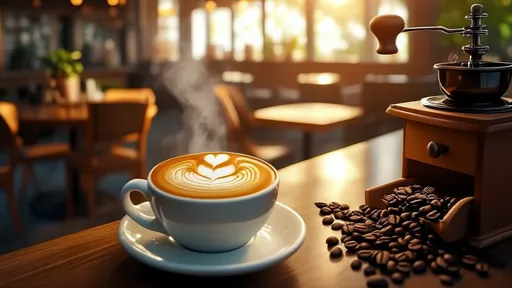
Grinding your beans right before brewing is arguably the most impactful change you can make. Pre-ground coffee loses its volatile oils and aromatics within minutes of being ground. I invested in a burr grinder (not a blade grinder—they create uneven particles that extract poorly) and set it to a medium-coarse setting for my pour-over. The first time I brewed with freshly ground beans, the fragrance alone told me I was on the right track.
Water quality matters more than you'd think. Tap water loaded with minerals or chlorine can flat-out ruin good coffee. I started using filtered water and noticed an immediate improvement in clarity and flavor. The ideal water temperature is between 195-205°F—too hot and you'll scorch the grounds, too cool and you'll under-extract. I use a simple electric kettle with temperature control, but if you don't have one, just let boiling water sit for 30 seconds before pouring.
Your brewing method needs attention too. I switched from a cheap drip machine to a simple pour-over setup. The key is blooming—pouring just enough hot water to saturate the grounds and waiting 30 seconds for them to "bloom." This releases CO2 and allows for even extraction. Then pour in slow, concentric circles, keeping the water level consistent. It takes an extra minute but makes all the difference in achieving that clean, nuanced cafe taste.
Ratios are where many home brewers go wrong. I use a digital scale to measure 60 grams of coffee per liter of water (that's about 2 tablespoons per 6 ounces). Eyeballing it leads to weak or overpowering coffee. One client of mine complained her coffee always tasted "thin"—turns out she was using half the recommended coffee amount. After adjusting her ratio, she texted me: "I finally understand what good coffee tastes like!"
Don't overlook your equipment maintenance. Oils from coffee build up in grinders and brewers, leaving rancid flavors in your cup. I deep-clean my grinder monthly with grinder cleaning tablets and run a vinegar solution through my coffee maker every two weeks. It sounds tedious, but that first clean brew afterward will convince you it's worth the effort.
The mental shift is just as important as the technical steps. Making great coffee isn't about perfection—it's about mindfulness. I used to rush through the process, but now I treat those five minutes as a morning ritual. The slow pouring, the rich aroma filling my kitchen—it sets a positive tone for my entire day. That sensory experience is what cafe culture is really about, not just the caffeine hit.
Start with one change this week—maybe grinding fresh beans or adjusting your water temperature. These small upgrades compound into a dramatically better daily coffee experience. Your taste buds will thank you, and you might just find yourself skipping the coffee line altogether.
By Laura Wilson/Nov 21, 2025

By /Oct 30, 2025
By Amanda Phillips/Nov 21, 2025
By Ryan Martin/Nov 21, 2025

By /Oct 30, 2025

By /Oct 30, 2025

By /Oct 30, 2025

By /Oct 30, 2025

By /Oct 30, 2025
By Amanda Phillips/Nov 21, 2025
By Emily Johnson/Nov 21, 2025

By /Oct 30, 2025
By /Oct 30, 2025

By Joshua Howard/Nov 21, 2025
By Thomas Roberts/Nov 21, 2025

By Natalie Campbell/Nov 21, 2025

By Sarah Davis/Nov 21, 2025
By Amanda Phillips/Nov 21, 2025

By /Oct 30, 2025
